Explainer · The Night Sky · Beginner
Types of Nebulae, Explained
What actually makes a nebula glow red, glow blue, or blot out the stars behind it — the difference between an emission, reflection, dark, planetary and supernova-remnant nebula, in plain English, with real examples from this site's own gallery.
"Nebula" just means a cloud of gas and dust in space — but that one word covers a handful of genuinely different things, and the difference is exactly what decides whether it glows red, glows blue, blocks the stars behind it entirely, or does all three in the same photo. Here's what's actually going on in each type, with a real example from this site's own gallery wherever one's been captured so far.
Emission nebulae — glowing on their own
An emission nebula is lit from within. A nearby young, hot star blasts the surrounding hydrogen gas with enough energy to ionise it, and the gas glows on its own — mostly a deep red, from hydrogen-alpha light, the same wavelength behind so many red and pink tones across this site's gallery. The Orion Nebula (M42) is the best-known example of the type.
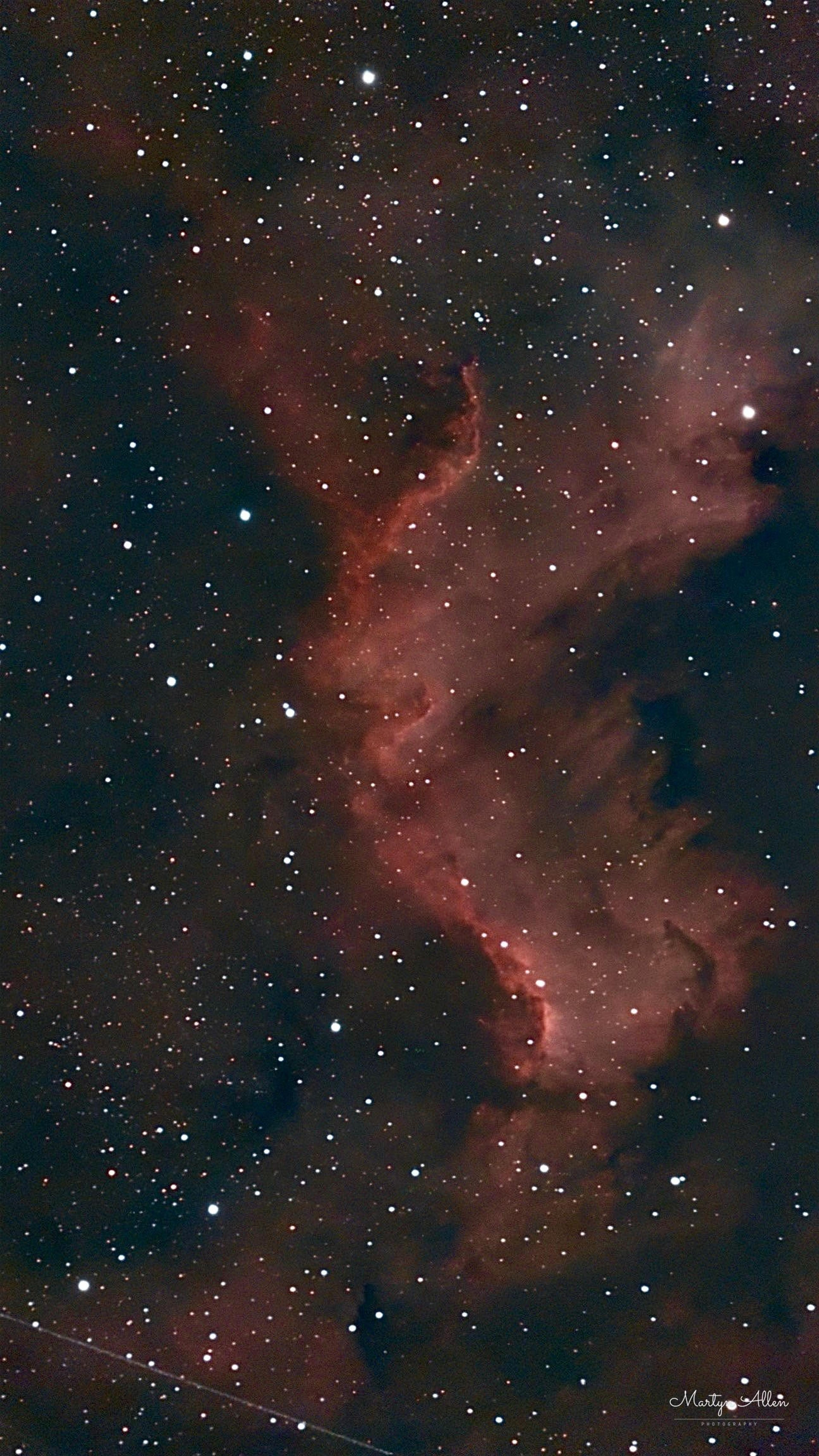
See the North America Nebula in the gallery →
Reflection nebulae — lit by a star, not glowing itself
A reflection nebula doesn't produce any light of its own — it's dust, reflecting the light of a star sitting right next to it, the way a torch beam lights up smoke or fog. Dust scatters blue light more easily than red (the same reason the sky is blue), so these tend to look blue rather than red.
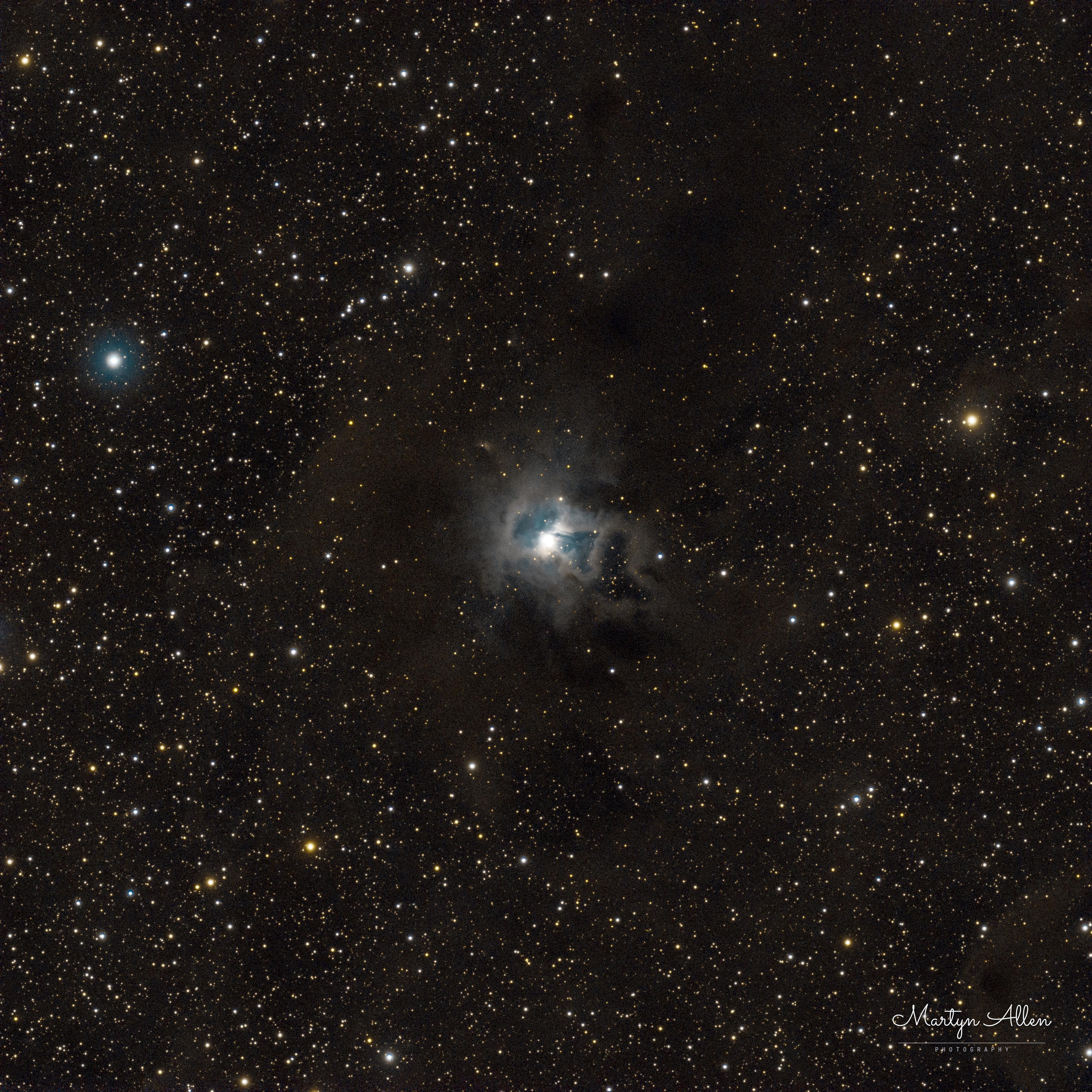
See the Iris Nebula in the gallery →
Dark nebulae — blocking the light behind them
A dark nebula is dust thick enough to block light rather than scatter or emit it — you only ever see it as a silhouette against something bright behind it. The Horsehead Nebula is the famous one: not a glowing horse-shaped cloud, but a dense dust cloud shaped like a horse's head, blocking the glowing emission nebula sitting directly behind it. No dark nebula shot in the gallery yet — one to add the next clear night this one's up.
Planetary nebulae — a dying star's outer layers
Despite the name, a planetary nebula has nothing to do with planets — 18th-century astronomers just thought the small round glow looked planet-like through a small telescope. It's actually the outer layers of a dying, sun-like star, puffed off into space and lit up by the hot stellar core left behind at the centre.
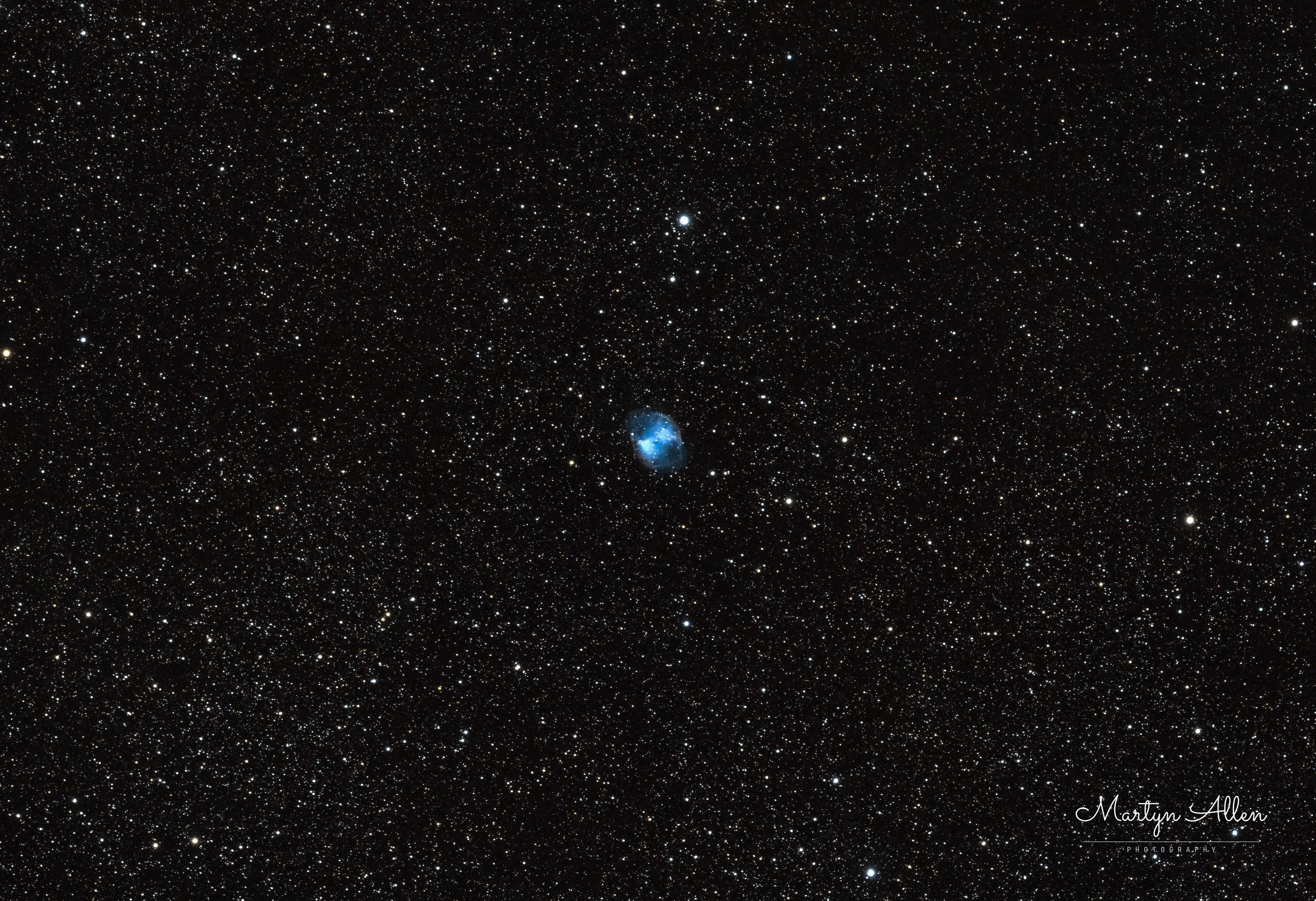
See the Dumbbell Nebula in the gallery →
Supernova remnants — the aftermath of a stellar explosion
A supernova remnant is what's left after a massive star explodes — the shockwave and expelled gas, still glowing and expanding years, even thousands of years, later. The Crab Nebula (M1) is the remnant of a supernova recorded by astronomers in 1054 AD; the Veil Nebula is the remains of a star that exploded tens of thousands of years ago, its shockwave still visibly expanding across a huge patch of sky.
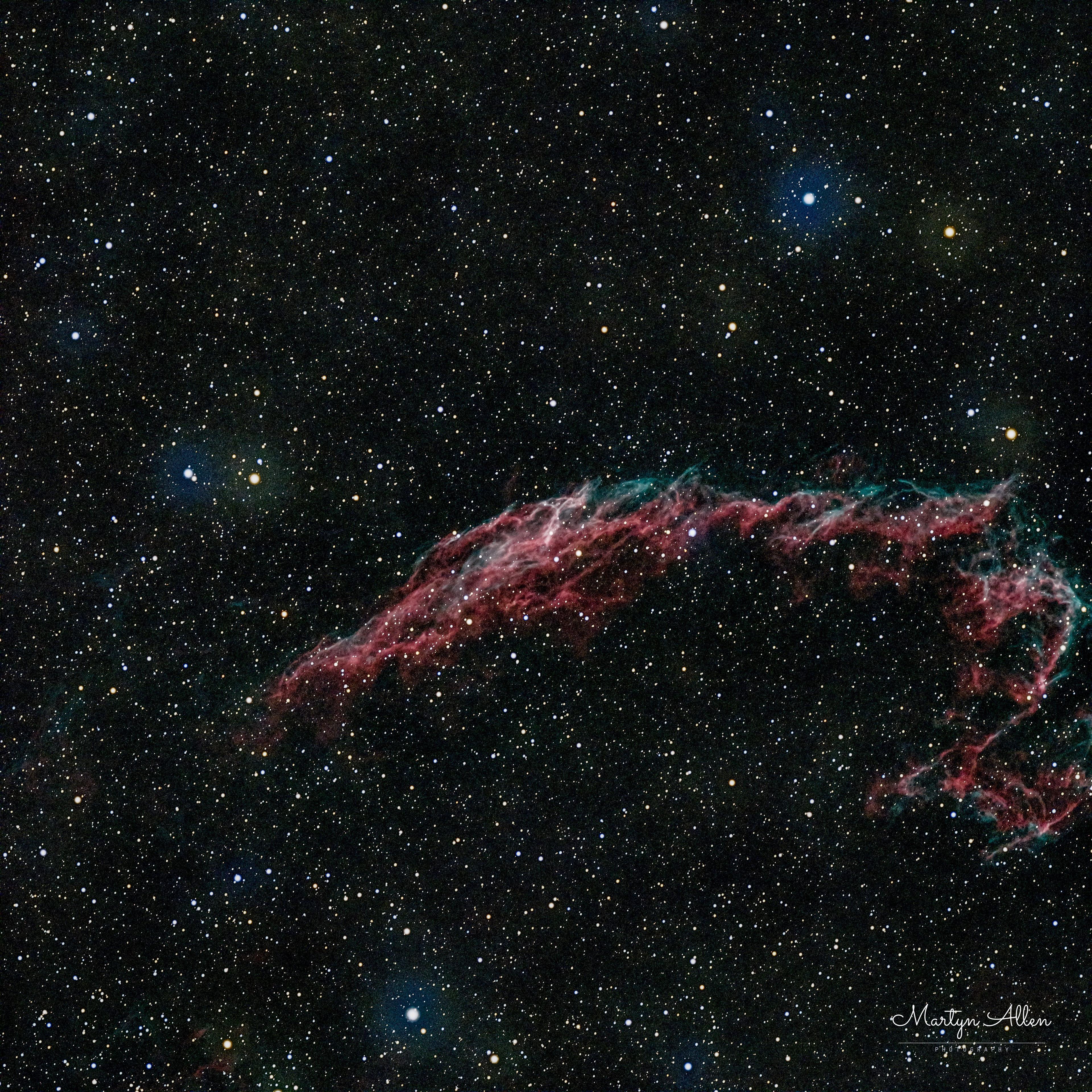
See the East Veil Nebula in the gallery →
Next time you're using the sky map on the Calendar page, switch on its deep-sky layer — it'll point out real examples of several of these currently up in the sky over your location.